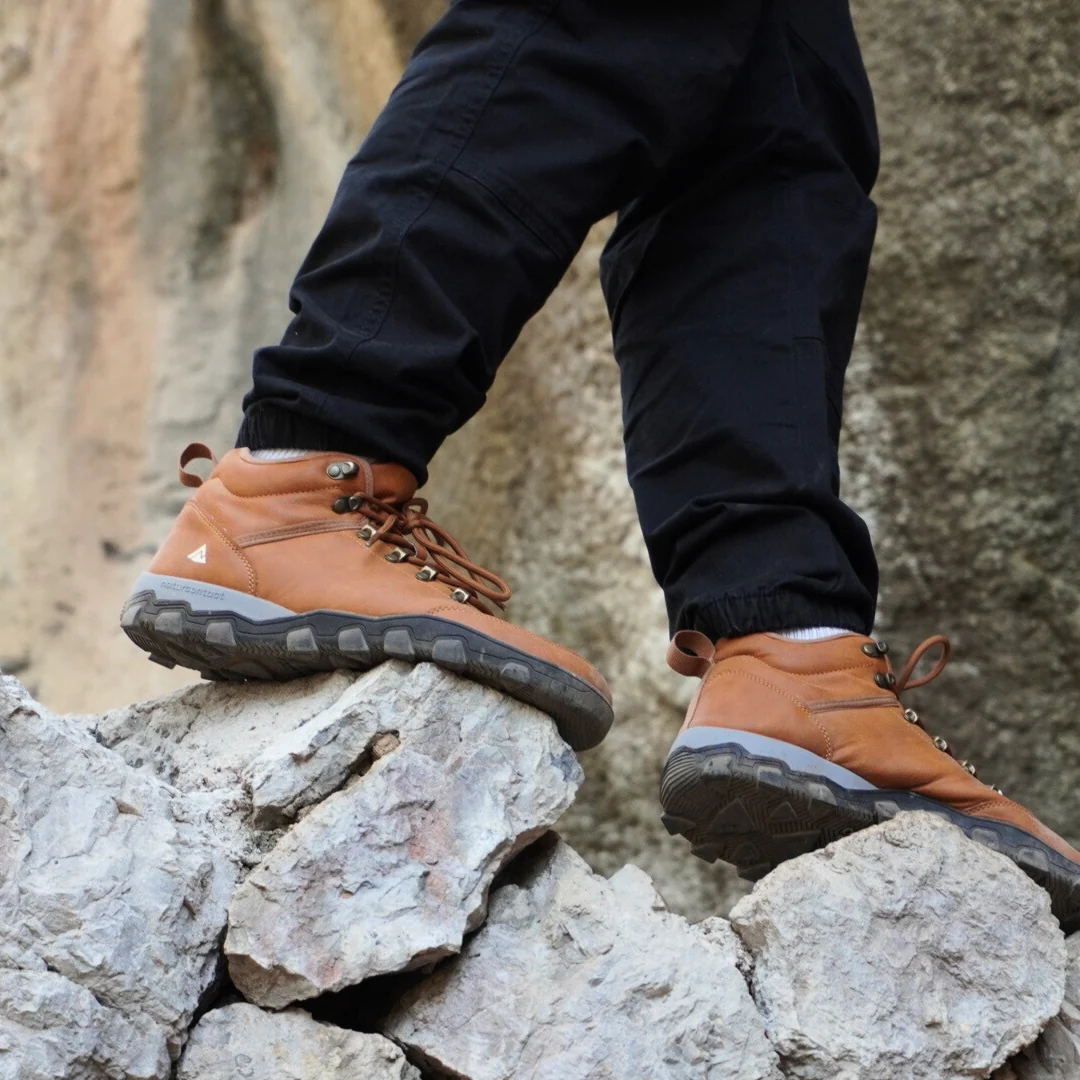
For decades, the standard approach to footwear has focused on excessive cushioning, rigid arch supports, and narrow silhouettes that prioritize aesthetics over anatomy. However, a significant shift is occurring as more individuals realize that many common foot ailments and postural issues stem from the very shoes designed to “protect” them. This realization has sparked a global movement toward minimalist designs, making barefoot shoes for men an essential consideration for those looking to restore the natural function of their feet and improve overall physical health. By stripping away the artificial layers of traditional sneakers, these shoes allow the human foot to behave as it was biologically intended: as a complex, sensory-rich foundation for the entire body.
The core philosophy of minimalist design
The primary goal of minimalist footwear is to interfere as little as possible with the foot’s natural movement. To achieve this, several design features are standard across the category. Unlike conventional shoes, which often have a 10mm to 15mm height difference between the heel and the forefoot, minimalist options feature a zero drop sole. This keeps the heel and the ball of the foot on the same plane, encouraging a neutral spine and preventing the forward-leaning posture that often leads to lower back pain.
Another hallmark is the wide toe box. Traditional dress shoes and even athletic trainers tend to taper at the front, squeezing the toes together. Over time, this can lead to deformities like bunions or a weakened big toe, which is crucial for balance. Minimalist designs provide ample space for the toes to splay naturally, creating a wider, more stable base for every step. Finally, the thin, flexible sole provides the ground feel necessary for proprioception the body’s ability to sense its position and movement in space. This sensory feedback allows the brain to make micro-adjustments in gait, leading to better balance and more efficient movement.
Strengthening the foundation: foot health benefits
When we rely on thick, supportive soles, the internal muscles of our feet essentially go on vacation. The arch is held up by foam rather than muscle, and the stabilizing tendons become underutilized. Transitioning to a flatter, thinner shoe forces these muscles to re-engage. Within a few months of consistent wear, many users report a visible increase in foot strength and arch height, as the foot learns to support its own weight again.
The benefits extend far beyond the ankles. Because our feet are the first point of contact with the ground, their alignment dictates the alignment of the knees, hips, and lower back. By removing the elevated heel found in modern footwear, you allow the posterior chain including the calves and hamstrings to return to their natural length. This can alleviate chronic tension and reduce the risk of injuries like plantar fasciitis or runner’s knee, which are often caused by the repetitive impact of a “heel-strike” gait encouraged by cushioned shoes.
Understanding the transition period
It is important to recognize that switching from years of supportive footwear to a minimalist style is not something that happens overnight. Your feet, tendons, and calves have likely adapted to a shortened state due to elevated heels. Jumping into full-time minimalist wear too quickly can result in strain or even stress fractures if the body isn’t given time to adapt.
- Start slowly: Begin by wearing your new shoes for just 30 to 60 minutes a day around the house or during short errands.
- Listen to your body: Expect some muscle soreness, similar to how you feel after a new workout at the gym. This is a sign that dormant muscles are waking up. However, sharp pain is a signal to scale back.
- Focus on your gait: In cushioned shoes, many people develop a heavy heel strike. In minimalist footwear, you should aim for a shorter stride and a midfoot or forefoot landing to take advantage of the body’s natural shock absorption.
From the office to the trail: versatility in style
One of the biggest misconceptions about this footwear category is that it is limited to “toe shoes” or purely athletic gear. In reality, the market has expanded to include a wide range of styles that fit into a modern wardrobe. Today, you can find high-quality leather oxfords, casual sneakers, and rugged hiking boots that all follow barefoot principles. This means you no longer have to compromise your foot health for a formal meeting or a night out.
For outdoor enthusiasts, minimalist hiking shoes offer a distinct advantage. The thin sole allows you to feel the terrain, which significantly improves traction and stability on uneven surfaces. Instead of relying on a stiff boot to protect your ankle, you develop the intrinsic stability required to navigate rocks and roots safely. In the gym, these shoes are increasingly popular for weightlifting and calisthenics, as they provide a solid, flat connection to the floor, enhancing power transfer during squats and deadlifts.
Long-term impact on posture and longevity
As we age, balance and mobility become the most critical factors in maintaining quality of life. By investing in the health of your feet today, you are essentially building a more resilient body for the future. Improved proprioception reduces the risk of trips and falls, while a strengthened foot structure prevents the collapses that lead to knee and hip replacements later in life.
Choosing to move away from restrictive footwear is an investment in functional longevity. It is about moving through the world with ease and confidence, knowing that your body is capable of supporting itself without artificial aids. Whether you are an athlete looking for a performance edge or a professional seeking relief from back pain, the shift toward a more natural way of walking offers a path to better health that starts from the ground up.

